
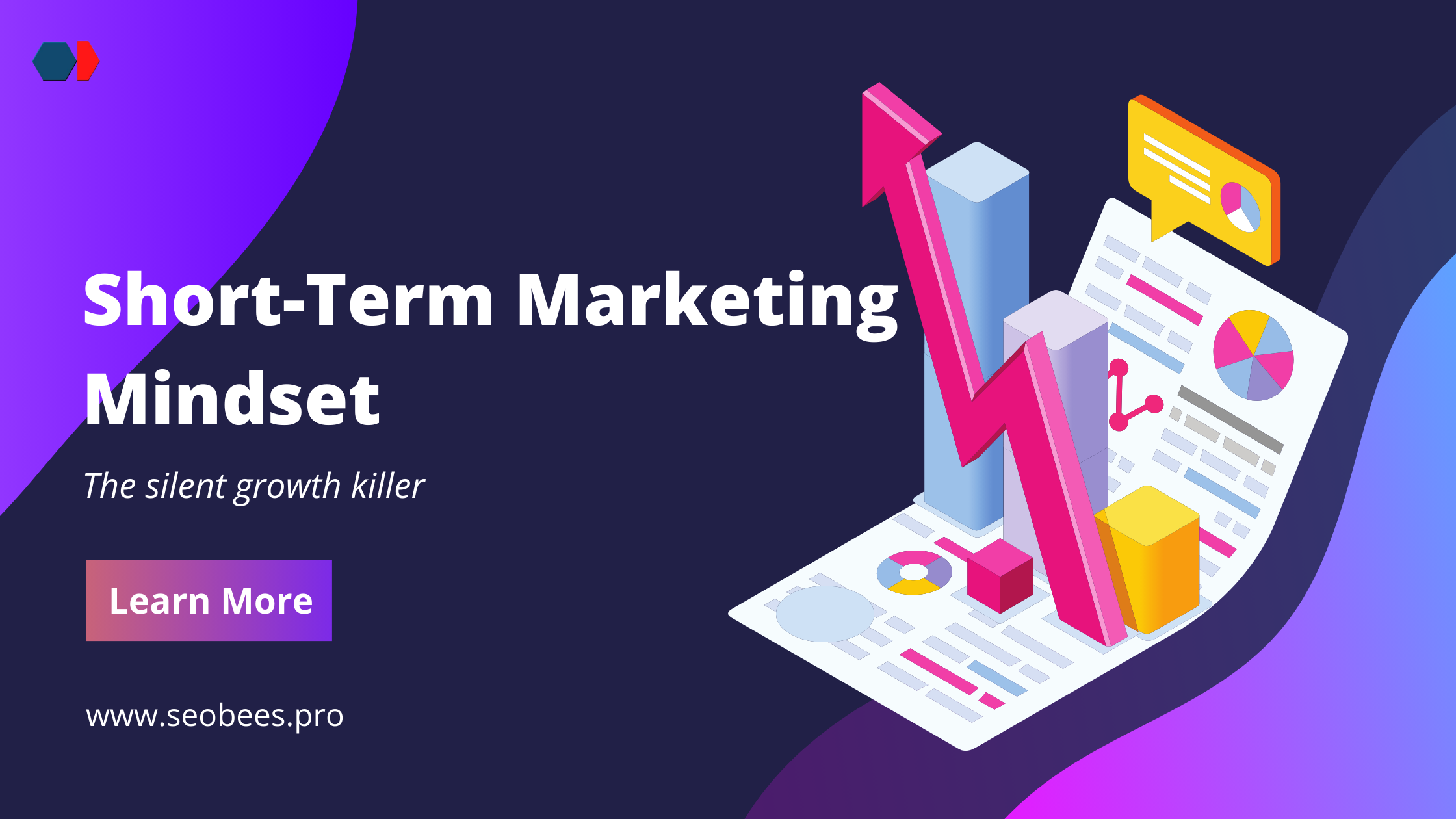
Digital marketing doesn’t fail businesses.
Short-term thinking does.
Many brands invest in SEO, run ads, post content for a few weeks and then stop when instant results don’t appear.
The conclusion?
“Digital marketing doesn’t work.”
But the real issue is not the platform.
It’s the mindset behind the strategy.
This article explains:
- Why short-term marketing fails
- The real cost of impatience
- How sustainable digital growth actually works
- A practical roadmap to shift toward long-term success
Understanding the Short-Term Marketing Mindset
A short-term marketing mindset focuses only on immediate results.
It sounds like:
- “We need leads this week.”
- “We tried SEO for one month.”
- “Ads are not working. Stop them.”
- “Let’s change strategy again.”
This reactive approach leads to:
- Constant switching
- No structured testing
- No data maturity
- No brand authority
Marketing becomes emotional instead of analytical.
Why Businesses Fall Into This Trap
1. Unrealistic Expectations About Digital Growth
Digital marketing works in phases:
- Learning
- Testing
- Optimising
- Scaling
Algorithms need data.
SEO needs authority.
Content needs consistency.
Expecting immediate ROI ignores how digital ecosystems function.
2. Confusing Activity With Progress
Many businesses are active online:
- Posting daily
- Boosting posts
- Running festive offers
- Trying trending formats
But activity does not equal growth.
Real growth is measured by:
- Cost per lead
- Conversion rate
- Customer acquisition cost
- Return on ad spend
Without these metrics, marketing becomes guesswork.
3. Stopping Campaigns Too Early
Every ad platform has a learning phase.
If you stop campaigns before optimisation, you:
- Reset algorithm learning
- Lose testing insights
- Increase long-term costs
This creates a cycle of spending without compounding.
The Hidden Cost of Short-Term Marketing
Short-term marketing doesn’t just slow progress. It creates structural damage.
1. Wasted Budget
Without consistent testing periods, campaigns never reach peak efficiency.
Each restart costs money.
2. Weak Brand Authority
Authority builds through repetition and consistency.
Constant messaging changes reduce trust.
Search engines and consumers both reward stability.
3. SEO Failure
SEO is long-term by design.
Typical timeline:
- 0–3 Months: Technical foundation
- 3–6 Months: Traffic movement
- 6–12 Months: Authority growth
- 12+ Months: Compounding visibility
Stopping midway destroys momentum.
4. Internal Team Frustration
When expectations are unrealistic:
- Marketing teams feel pressure
- Sales teams blame leads
- Leadership loses confidence
Structured timelines reduce internal chaos.
Short-Term vs Long-Term Marketing: A Clear Comparison
Short-Term Marketing Focus
- Instant leads
- Vanity metrics (likes, reach)
- Panic-driven changes
- No tracking system
- Budget cuts during learning phase
Long-Term Marketing Focus
- Clear positioning
- Defined growth roadmap
- Conversion tracking
- Monthly optimisation cycles
- Compounding visibility
One creates noise.
The other builds assets.
How Sustainable Digital Marketing Actually Works
Digital growth compounds when structured correctly.
Phase 1: Foundation (Months 1–2)
- Define positioning
- Identify target audience
- Install tracking (Analytics, Pixels)
- Conduct keyword research
- Build structured landing pages
This phase builds stability.
Phase 2: Visibility (Months 3–6)
- Launch structured ad campaigns
- Publish SEO-focused content
- Improve creative quality
- Implement retargeting
Early traction begins here.
Phase 3: Optimisation (Months 6–9)
- Reduce cost per lead
- Improve conversion rates
- Scale high-performing campaigns
- Strengthen authority content
Growth becomes measurable.
Phase 4: Compounding (Months 9+)
- Organic traffic increases
- Ad costs reduce due to brand trust
- Conversion rates improve
- Leads become predictable
Marketing shifts from expense to growth asset.
Signs You Have a Short-Term Marketing Problem
Ask yourself:
- Are you judging SEO in 30 days?
- Are you changing strategies monthly?
- Are you measuring likes more than leads?
- Are you stopping ads before analysing performance?
- Are you expecting instant ROI?
If yes, the issue is mindset, not marketing.
How to Shift to a Long-Term Growth Strategy
1. Set Realistic Timelines
- SEO: 6–12 months
- Ads testing: 60–90 days
- Authority building: 6+ months
Commit before launching.
2. Track the Right Metrics
Focus on:
- Cost per lead
- Conversion rate
- Customer acquisition cost
- Return on ad spend
- Organic traffic growth
Data replaces emotion.
3. Implement Monthly Optimisation Reviews
Each month:
- Scale what works
- Improve underperforming pages
- Adjust targeting
- Refine creatives
Never make decisions based on one week of data.
4. Align Sales and Marketing
Marketing generates leads.
Sales converts them.
Slow response time or poor follow-up can destroy ROI — even if campaigns perform well.
Growth requires operational alignment.
Why Long-Term Thinking Creates Competitive Advantage
Most businesses quit too early.
That is the opportunity.
When competitors stop after 3 months and you continue for 12 you gain authority.
Consistency is rare.
Rare behaviors create dominance.
The Compound Effect of Strategic Marketing
Imagine two businesses:
Business A
- Stops campaigns early
- Changes direction frequently
- Focuses on quick wins
Business B
- Tracks data monthly
- Optimises continuously
- Publishes consistent content
- Builds authority patiently
After 24 months:
Business A is still experimenting.
Business B owns search visibility and reduces paid ad dependency.
Compounding beats chaos every time.
Final Thoughts: Fix the Mindset Before Fixing the Marketing
If your digital marketing isn’t delivering predictable results, don’t blame the platform.
Evaluate the structure.
No strategy = No direction.
No tracking = No optimisation.
No patience = No compounding.
Digital marketing is not a shortcut.
It is a structured growth system.
Short-term marketing creates spikes.
Long-term marketing builds authority.
And authority always wins.
Ready to Shift From Short-Term Chaos to Long-Term Growth?
If your marketing feels inconsistent, unpredictable, or frustrating — the problem isn’t digital marketing.
It’s the structure behind it.
We help businesses build:
- Clear positioning
- Data-driven marketing systems
- SEO foundations that compound
- Performance campaigns that scale
- Conversion-focused landing pages
- Measurable ROI strategies
Stop chasing quick spikes.
Start building predictable growth.
👉 Book a Free 30-Minute Strategy Consultation
👉 Or Click Here to WhatsApp Us Directly
Let’s build a marketing system that works, not just campaigns that look active.
Sustainable growth starts with clarity.
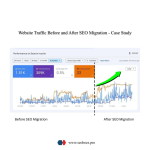
Read our case study: Website Traffic Was Stuck for Years. Here’s How We Fixed It.


Leave a Reply